
Winter horse care in the Pacific Northwest means working around steady rain, muddy footing and fewer daylight hours. A little preparation can make daily chores easier and help keep the barn comfortable through the wet months.
At Seven Hills Training in Monroe, we’ve been making improvements of our own, including new all-weather gravel paddocks and drainage. Here are a few tips for getting your barn ready for the season.
Start with drainage and footing
Walk your property during a downpour to see where water collects and how it moves through high-traffic areas. Pay particular attention to gateways, paddock entrances and the routes between the barn and arena.
Clear gutters and drains, check downspout outlets, and address low spots before they become deeper mud. Adding gravel works best when the underlying drainage and base are prepared for the site.
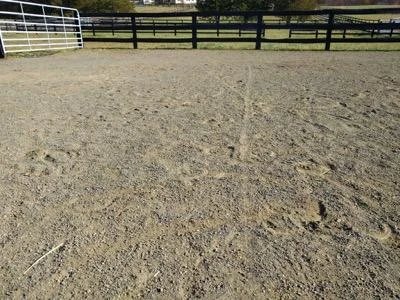
Our new all-weather gravel paddocks and drainage improvements help keep turnout areas usable through the wet season and make daily care easier.
Give wet gear room to dry
Set aside a covered, well-ventilated area for wet blankets and saddle pads. Hang them open with space between items rather than folding them into a damp pile.
A boot scraper and sturdy mat near the entrance help limit the mud brought into the barn. Keep a dry pair of gloves and spare socks somewhere protected. They’re small things you’ll appreciate halfway through a rainy afternoon.
Keep the blanket rotation organized
Check blankets before you need them. Repair damaged straps, test closures and label each one with the horse’s name and fill weight. Keep the current rotation accessible and store out-of-season extras elsewhere.
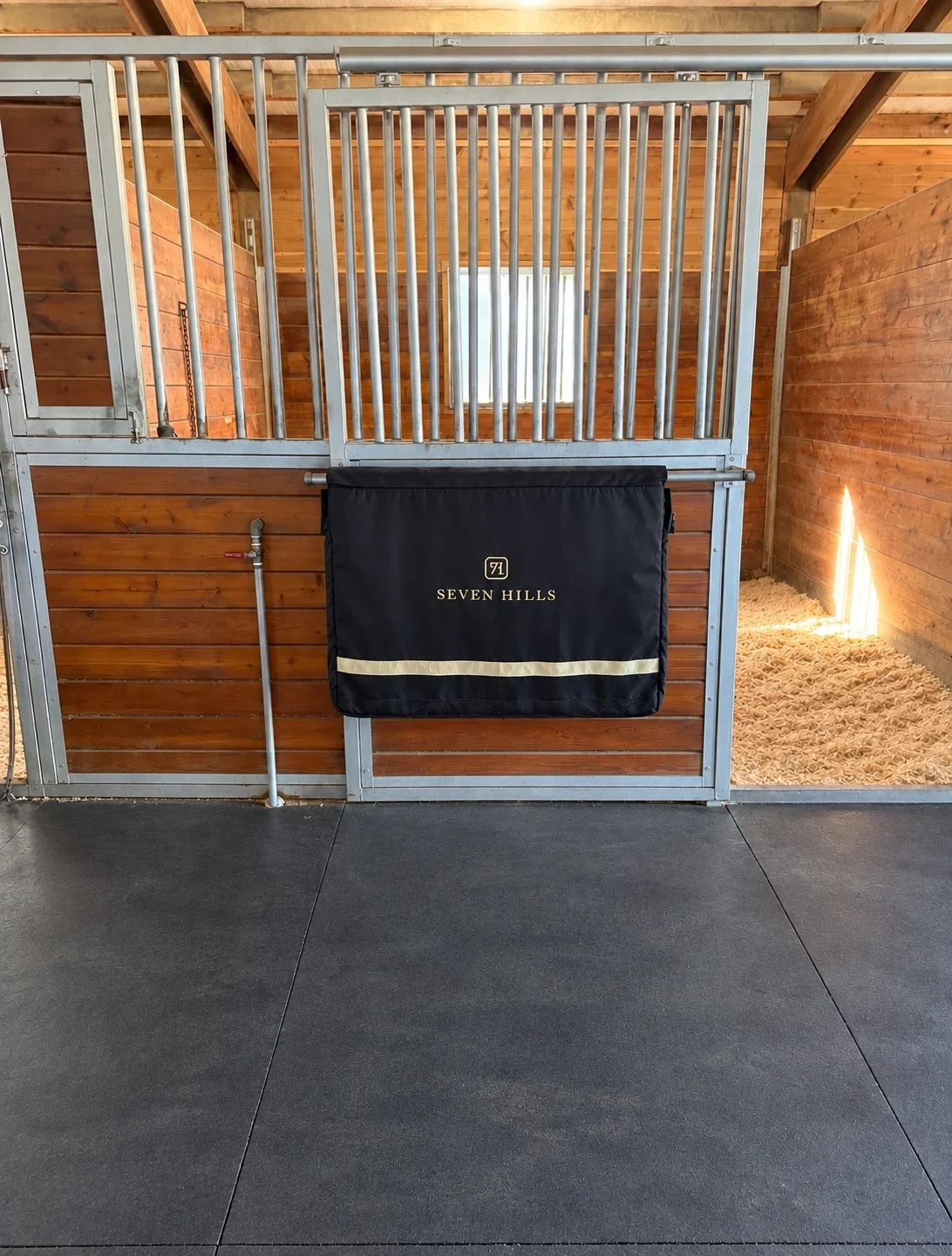
One addition our clients already love is our custom blanket bags. They make it easy to keep the rainsheets and blankets we need in rotation together at each stall, protected from barn dust and hay.
The bags come from Tuck-m-In Equestrian Bag Company, an equestrian- and woman-owned business.
Prepare for freezing weather
Drain hoses after use when freezing temperatures are expected, and store them where they won’t become a trip hazard. Make sure everyone caring for the horses knows where the water shutoffs are.
Check water supplies regularly during cold spells and have a backup plan if a pipe freezes or power goes out. Move temperature-sensitive horse-care products into suitable storage, following their labels.
Make chores easier after dark
Check lighting along walkways, at gates and around water sources before the shortest days arrive. Replace failed bulbs and adjust fixtures that leave awkward shadows where people need to work.
A charged headlamp is useful for evening checks and gives you both hands free for a latch or lead rope. Keep it in a consistent spot near the barn entrance.
Reflective details on outdoor clothing can also help people stay visible around vehicles during dark, rainy chore hours.
Service the tools you use every day
Check wheelbarrow tires, tighten loose handles and replace damaged manure forks before they interrupt a busy morning. Keep frequently used tools close to where they’re needed, stored clear of horses and walkways.
Give small repair supplies a designated home. Finding the right screwdriver or replacement snap quickly is much easier than searching through several drawers with cold hands.
Keep fresh air moving
Fix roof leaks and protect bedding from rain, but maintain ventilation through the barn. Closing everything tightly can allow moisture and stale air to build up.
Check for drafts at horse level while preserving airflow, and keep hay and bedding dry. A brief weekly check of drains, water supplies and equipment can help catch small problems before the next stretch of bad weather.
A few practical improvements now can save time and frustration through the wet months. Start with the areas that cause the most trouble each winter, and build from there. A barn that works well in bad weather makes daily care easier for everyone.
Back to all insights