Rider Fitness & Safety
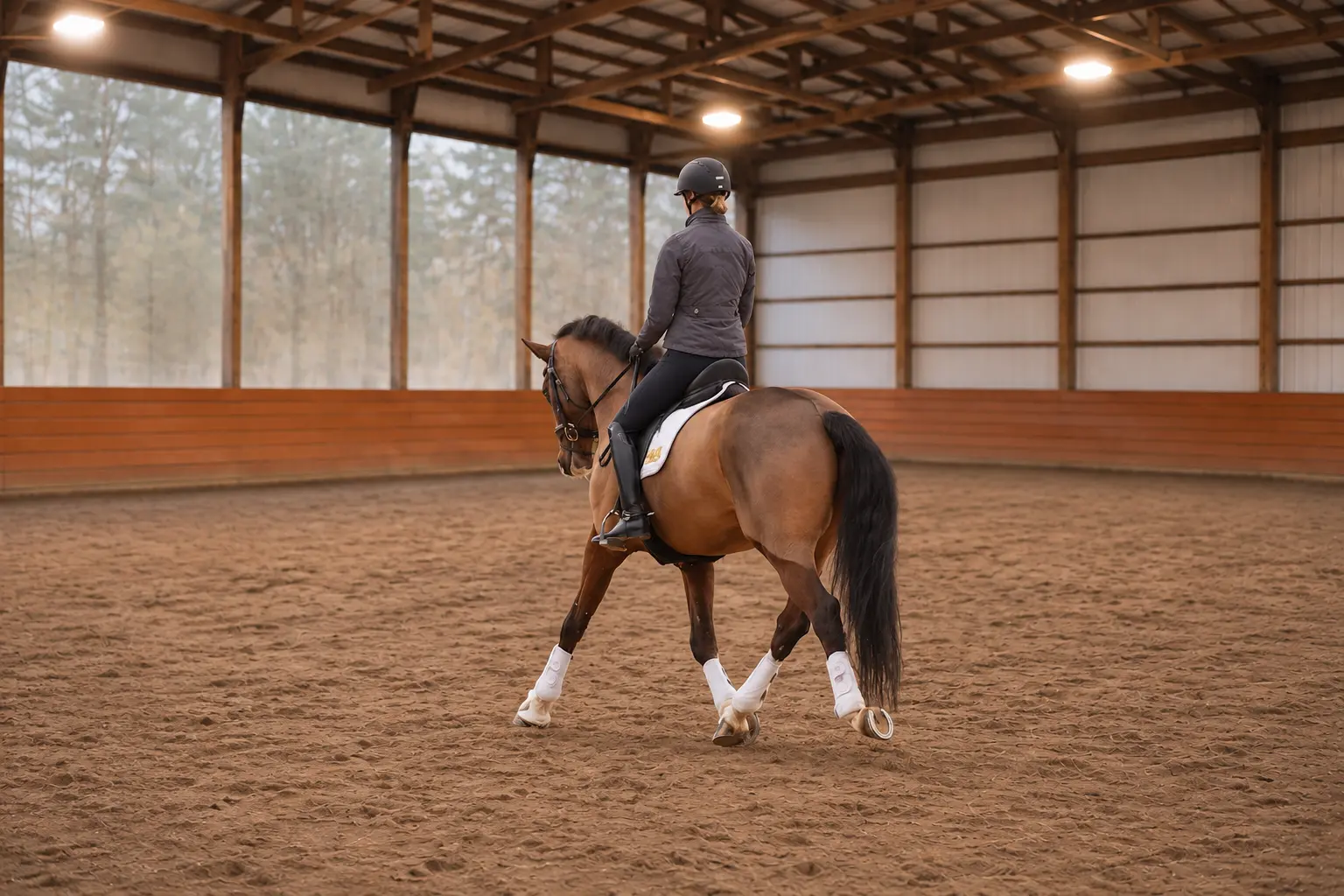
Straightness begins with the rider
How uneven weight, leg position, and rein use influence the horse’s alignment—and what riders can do to become clearer and more symmetrical.

INSIGHTS FROM SEVEN HILLS
Ideas and observations on dressage, biomechanics, rehabilitation, and the work of helping horses move with greater balance and comfort.
THE LIBRARY
Showing all 35 posts
Rider Fitness & Safety
How uneven weight, leg position, and rein use influence the horse’s alignment—and what riders can do to become clearer and more symmetrical.
Training & Development
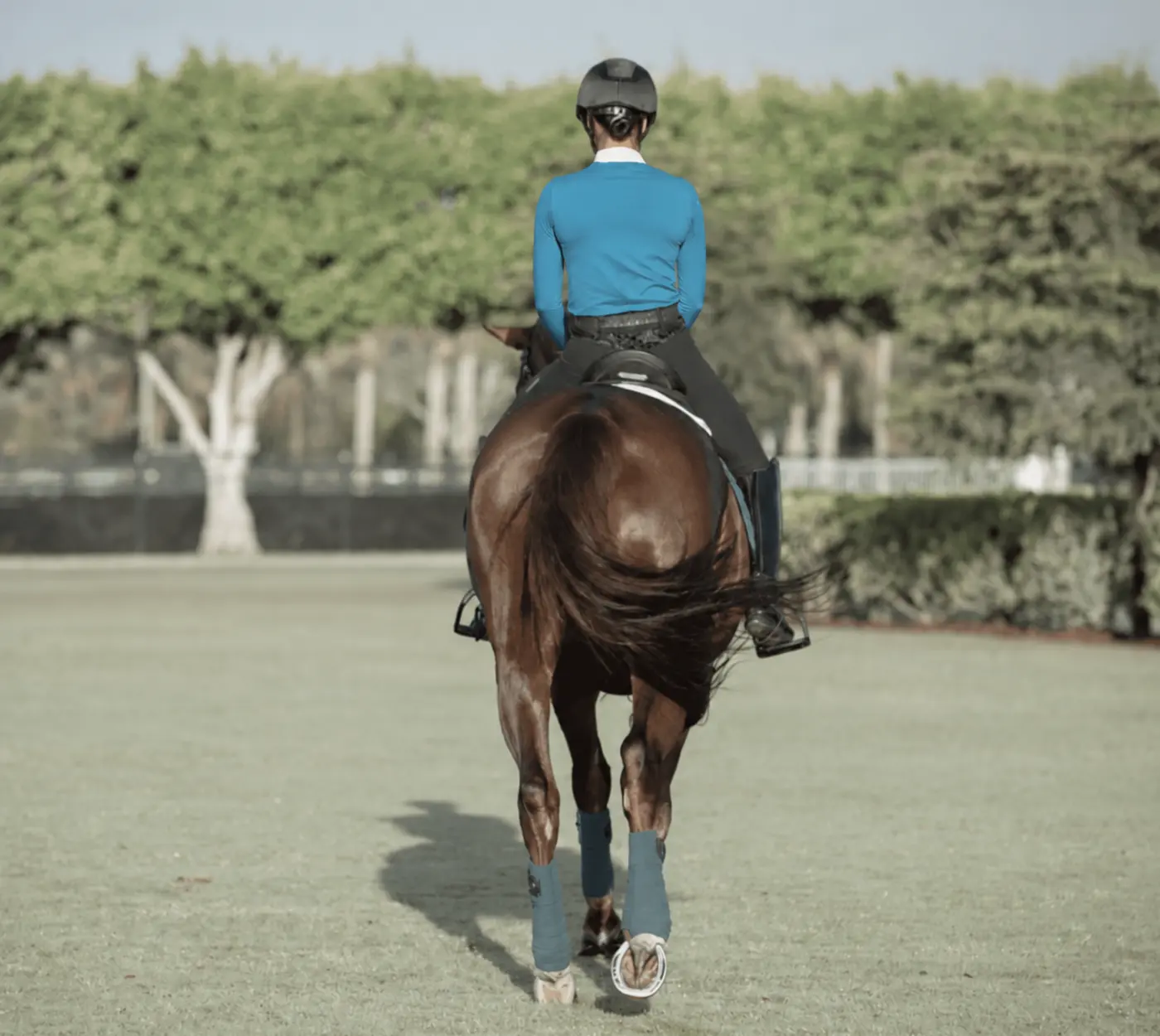
A thoughtful warm-up prepares the horse’s body and attention for the work ahead. Learn what to look for without drilling or chasing a predetermined frame.
Rider Fitness & Safety
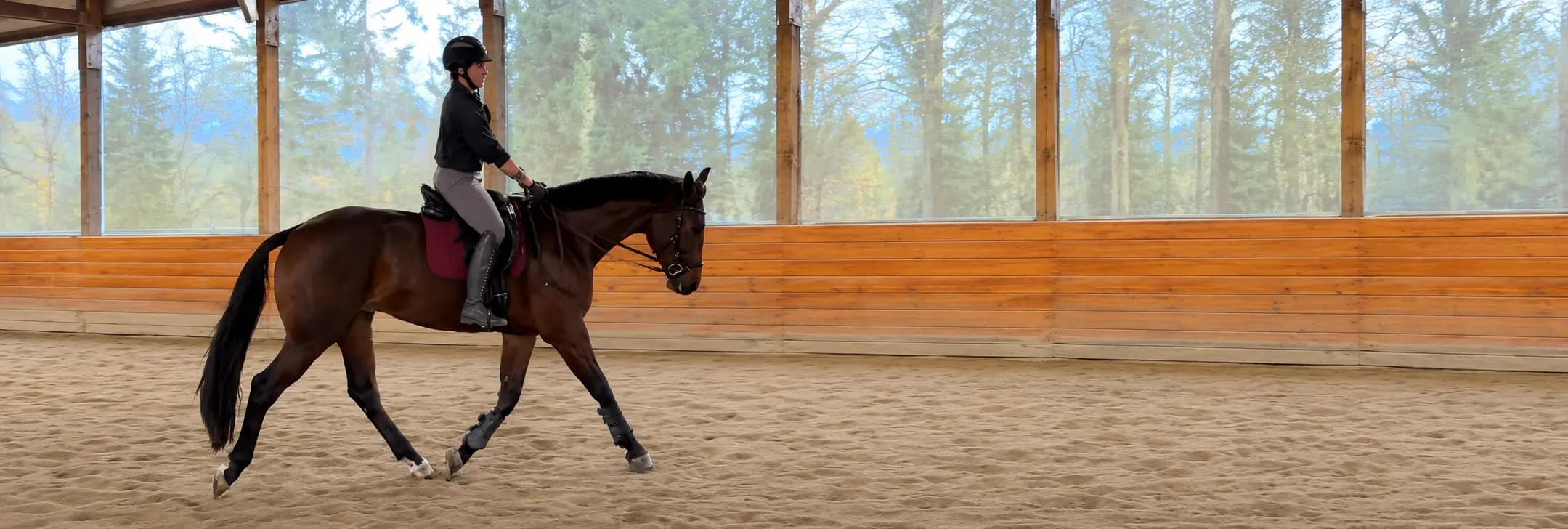
A closer look at how timing, alignment, and bracing affect upward and downward transitions—and how riders can become quieter, clearer, and more balanced.

Rehabilitation & Recovery
ECVM can influence how a horse organizes the neck, trunk, and limbs. Learn how veterinary-guided postural retraining develops proprioception, coordination, and more sustainable movement.
Rider Fitness & Safety
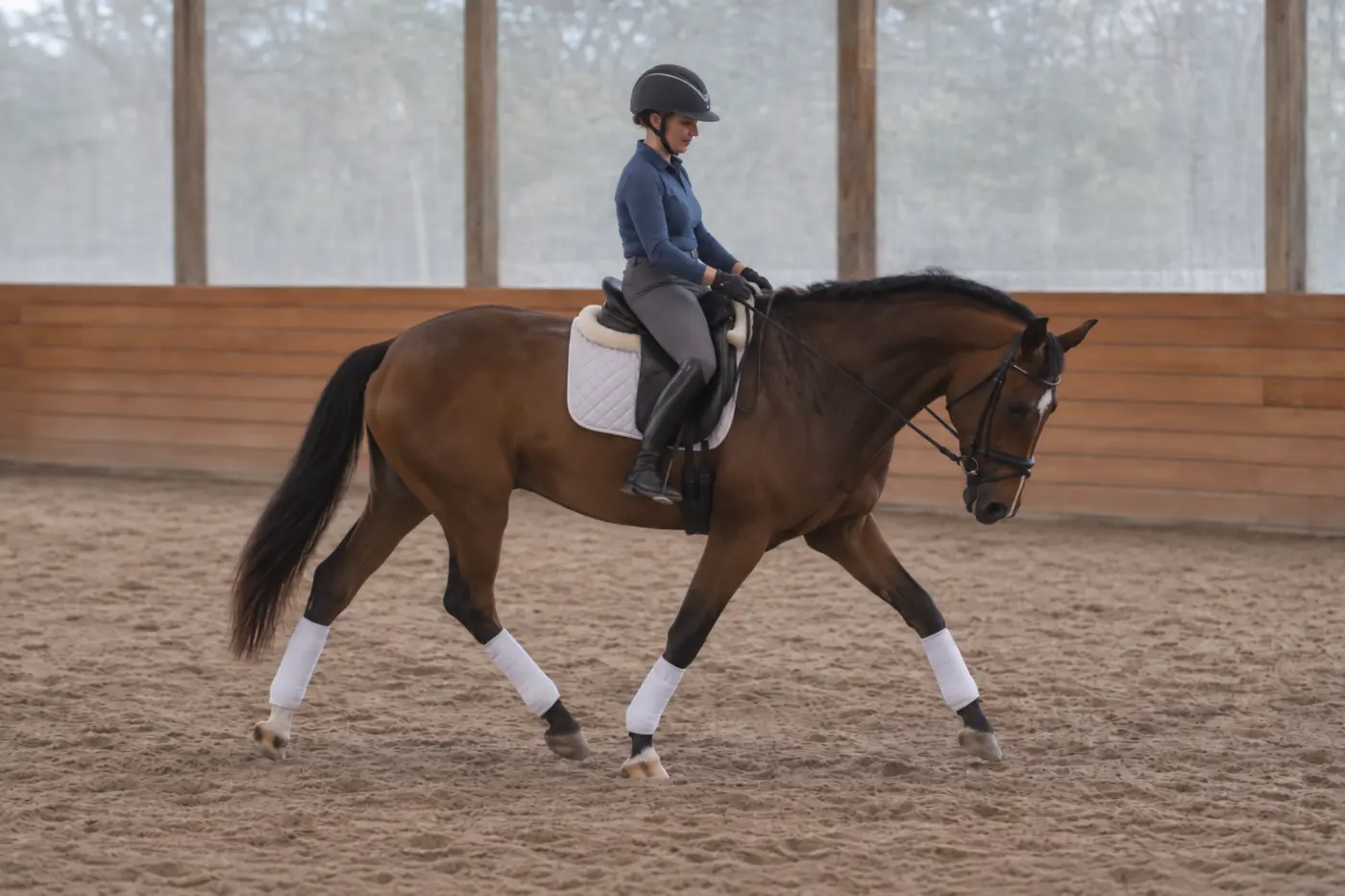
An experienced schoolmaster can help adult amateur riders develop feel, confidence, and timing by making correct responses easier to recognize and repeat.
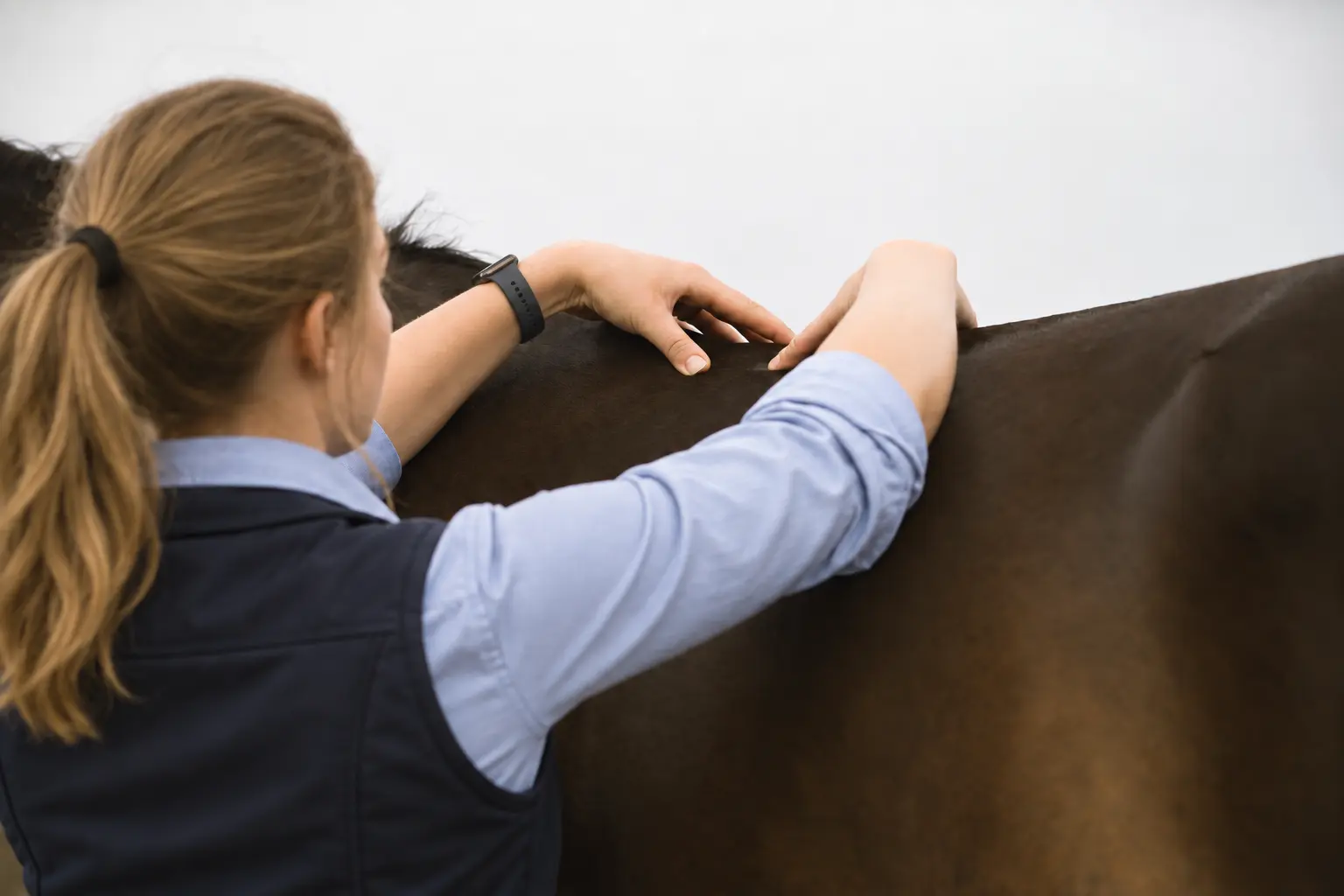
Rehabilitation & Recovery
A practical look at the post-clinical work that helps horses strengthen the thoracic sling, lift the back, and return to ridden work after treatment.
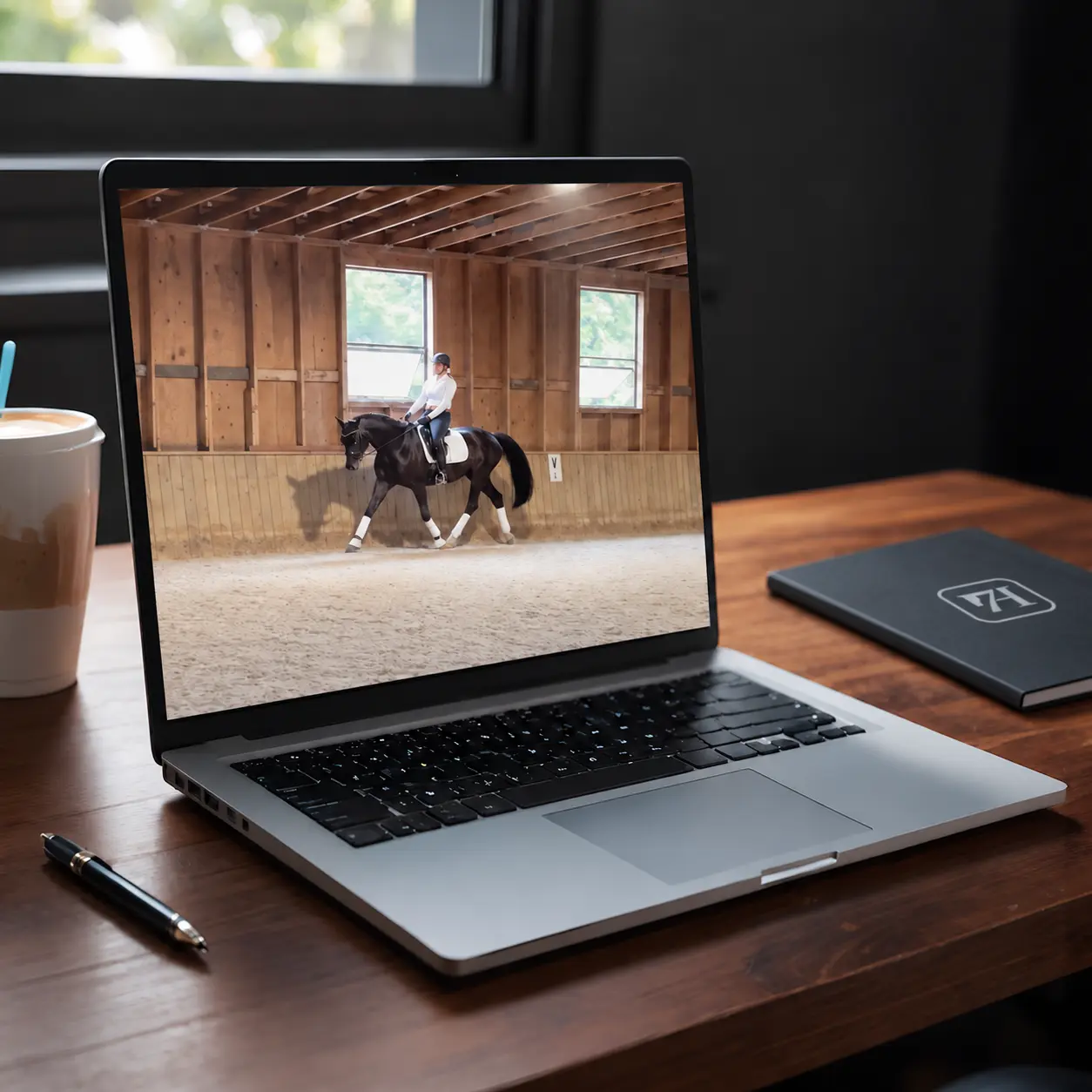
Rider Fitness & Safety
Video can reveal timing, alignment, and movement patterns that feel completely different from the saddle and turn them into practical changes for the next ride.
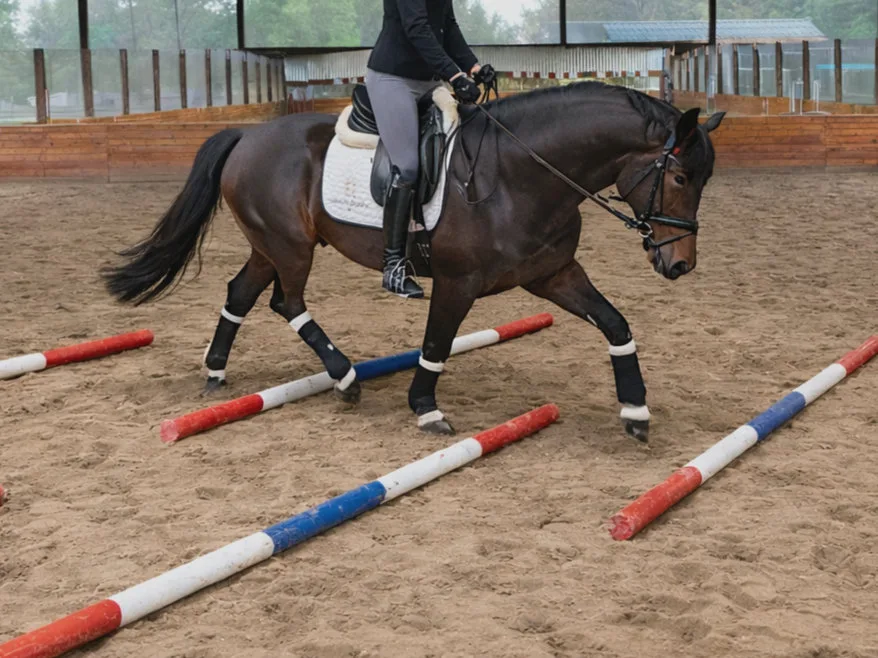
Rehabilitation & Recovery
Getting veterinary clearance to return to work after an illness or injury brings immense relief, but for many horse owners, it also brings a wave of anxiety. Hearing that your horse is "cleared for work" is a crucial milestone, but it rarely comes with a step-by-step roadmap for rebuilding the strength, posture, and coordination required under saddle.
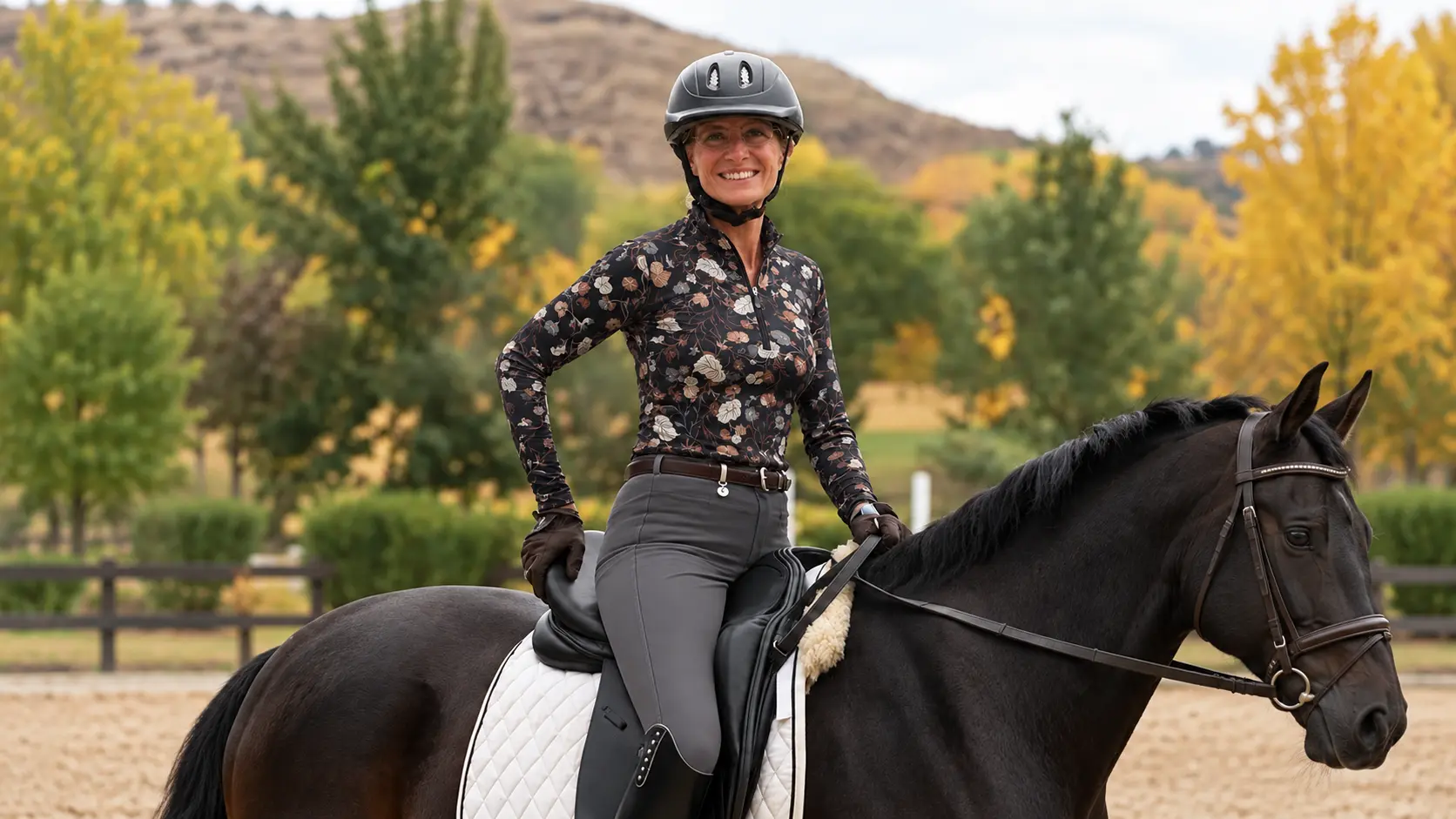
Rider Fitness & Safety
For many adult amateur riders, stepping into the arena comes with a unique set of challenges. Unlike young riders who often rely on pure muscle memory and fearlessness, adult riders tend to process movement…
Training & Development
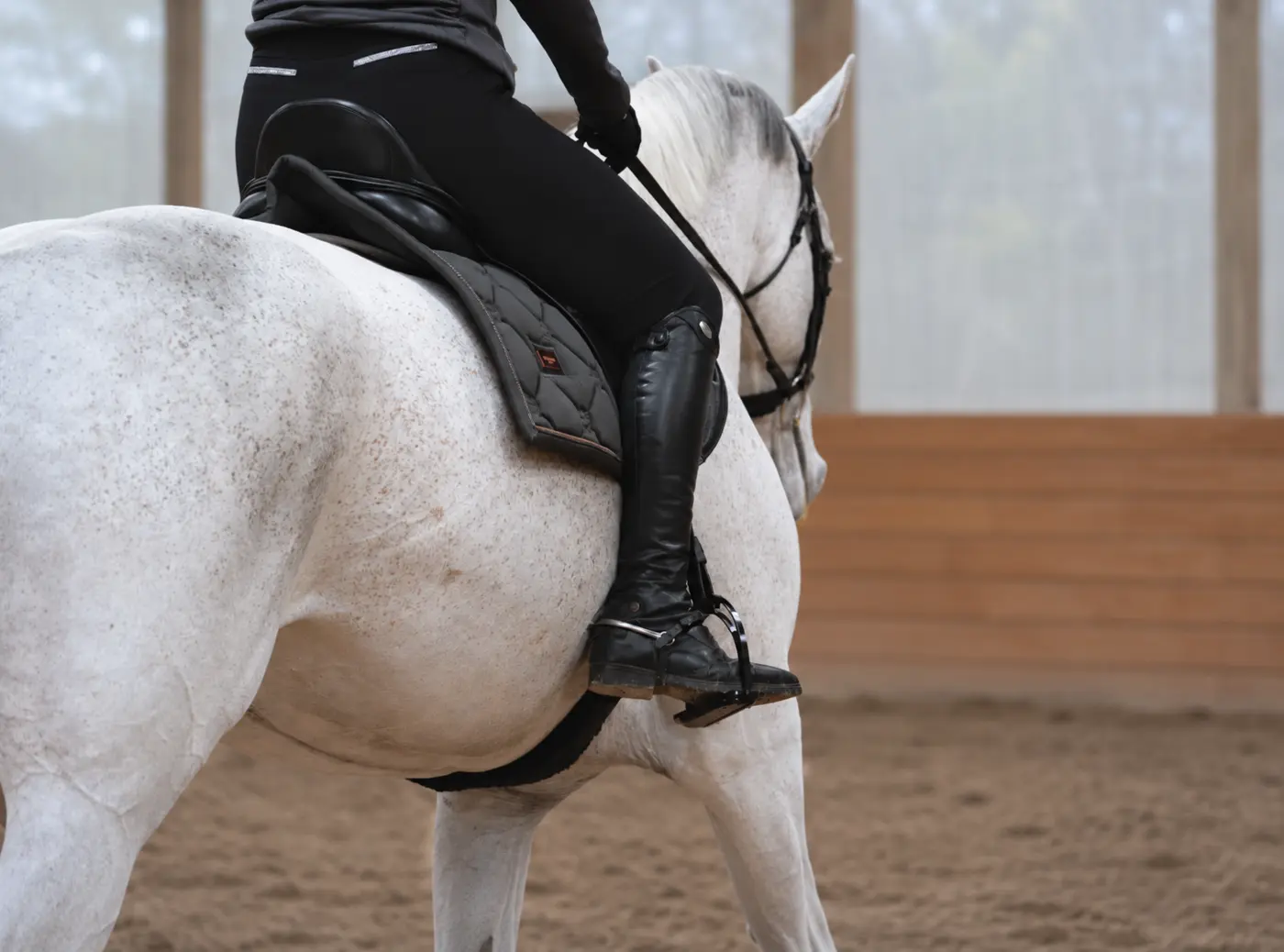
Repetition builds coordination only while the horse can understand and organize the task. Learn when another try is useful and when it is time to change the exercise.
Training & Development
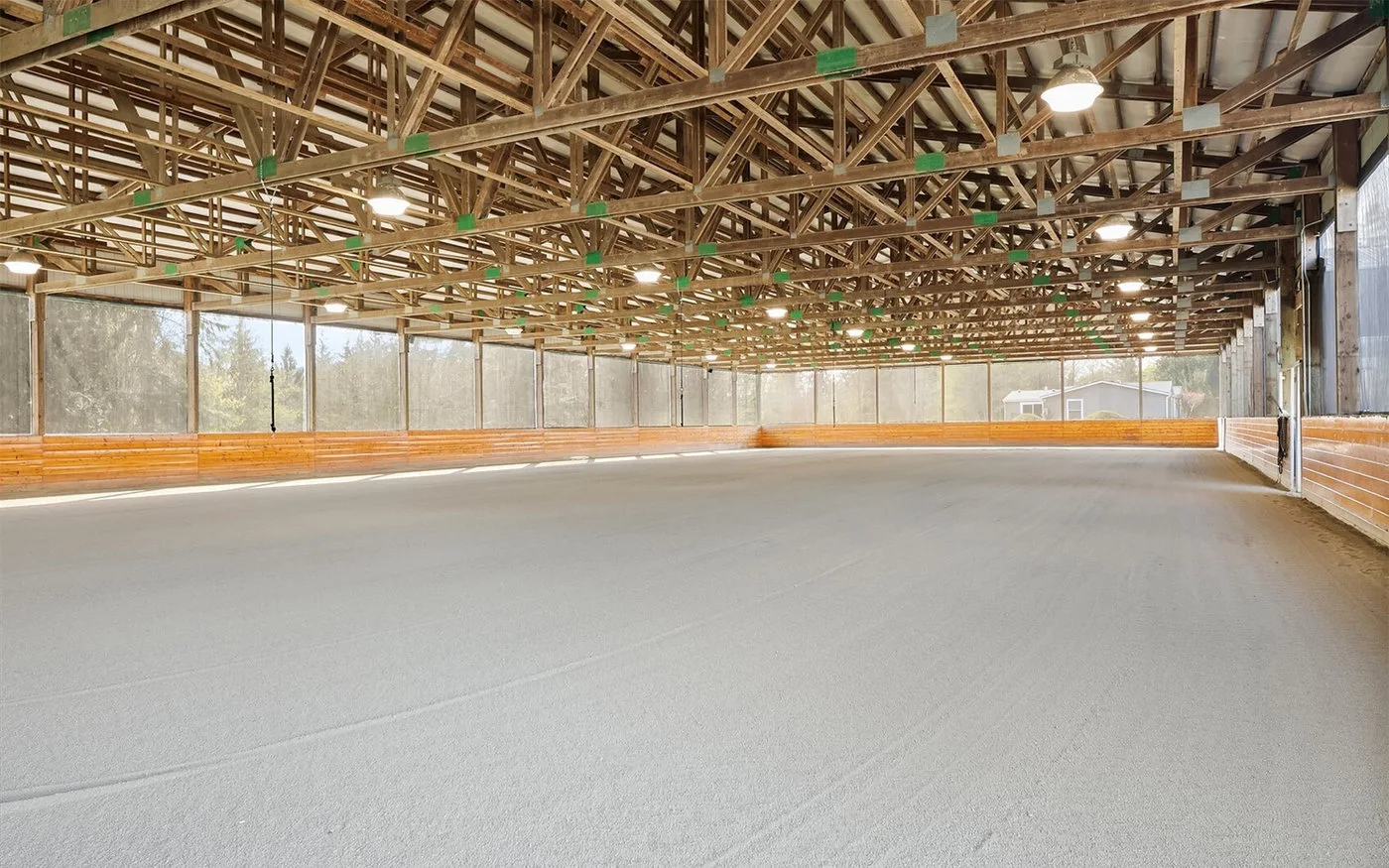
A calm, private training environment can improve attention, confidence, and learning, especially for sensitive horses and riders rebuilding trust.
Training & Development
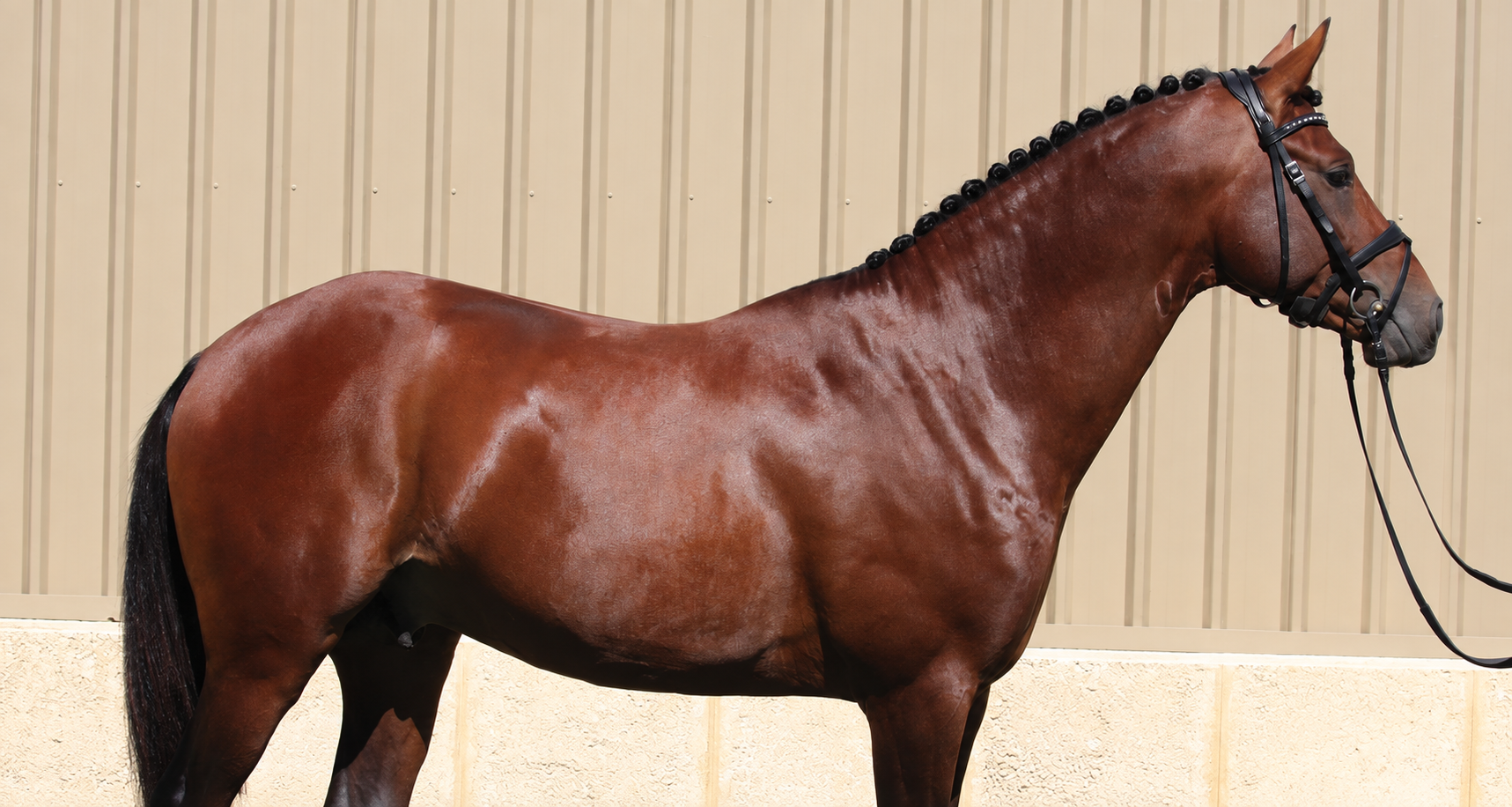
Learn how balanced movement, postural strength, and progressive gymnastic work develop a horse’s topline.
Training & Development
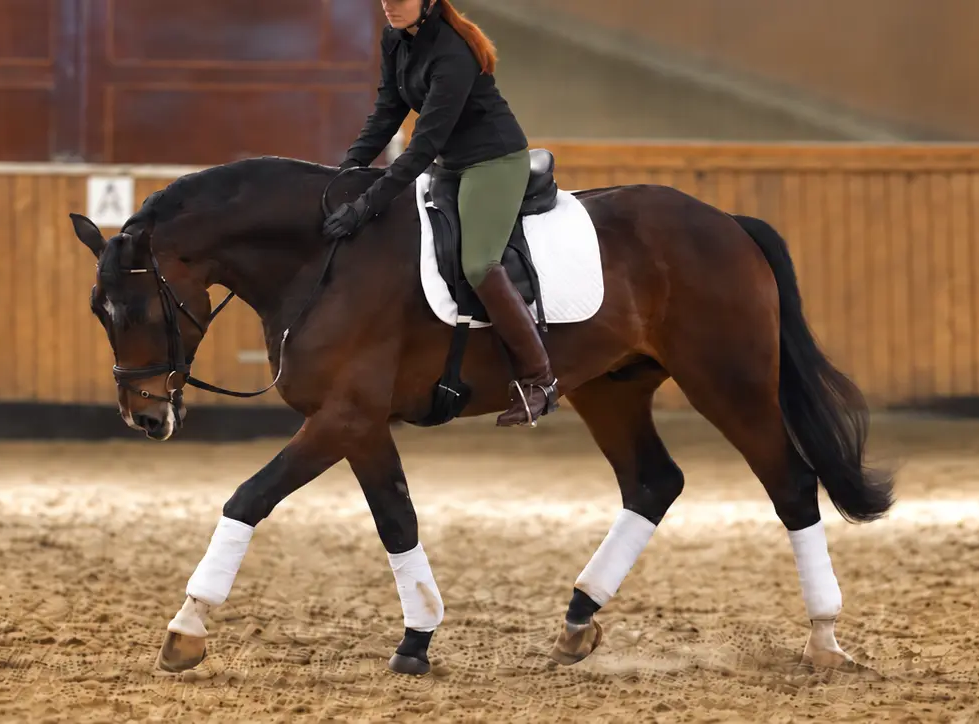
In dressage, connection is one of the most frequently discussed concepts, yet it remains widely misunderstood. Adult amateur riders are often told to hold a firmer rein, drive the horse forward into a…
Biomechanics
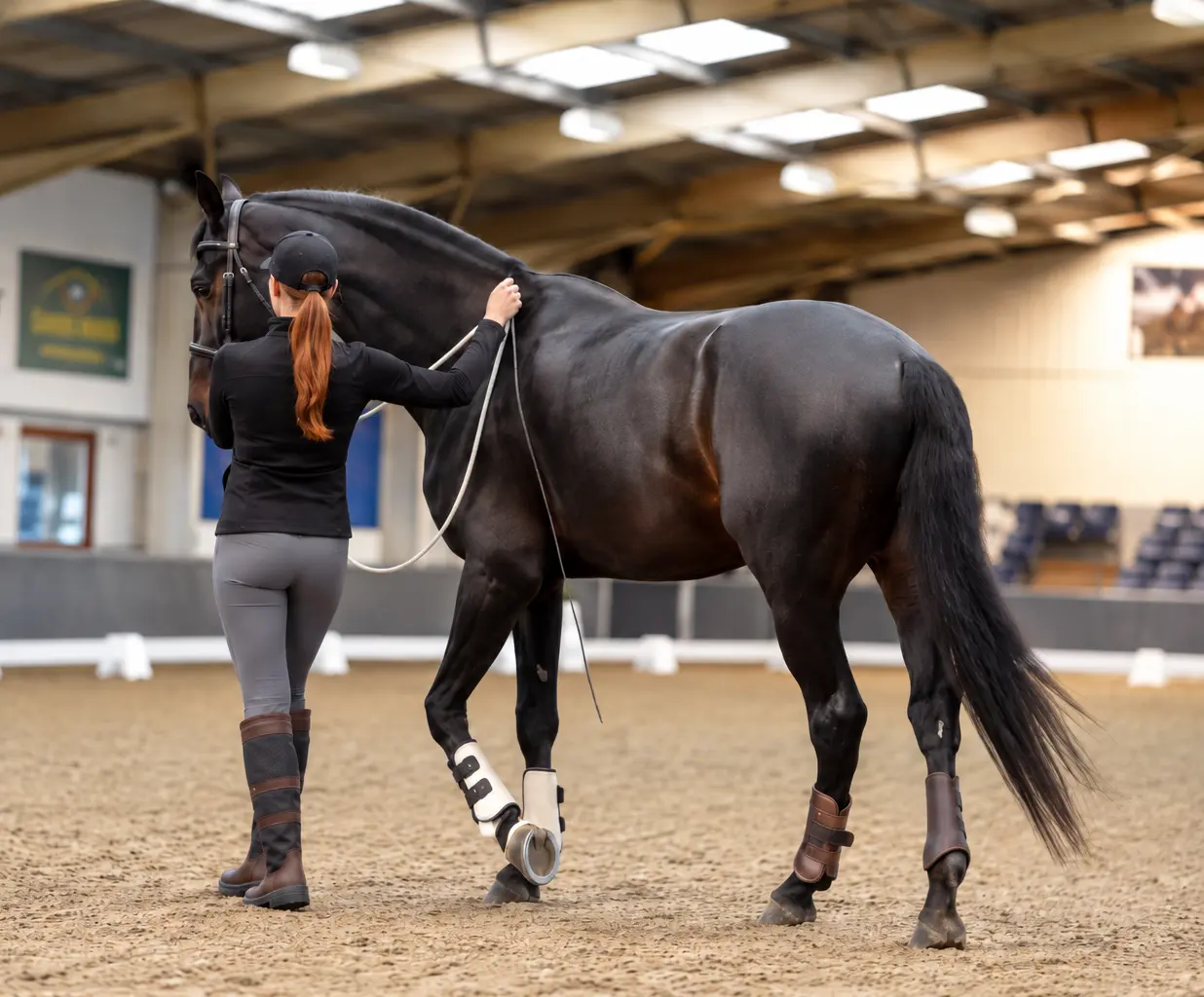
As a rider, it can be deeply frustrating when your horse feels constantly heavy on one rein, struggles to take a specific lead, or stiffens up during work. It's easy to label these behaviors as stubbornness…
Rider Fitness & Safety
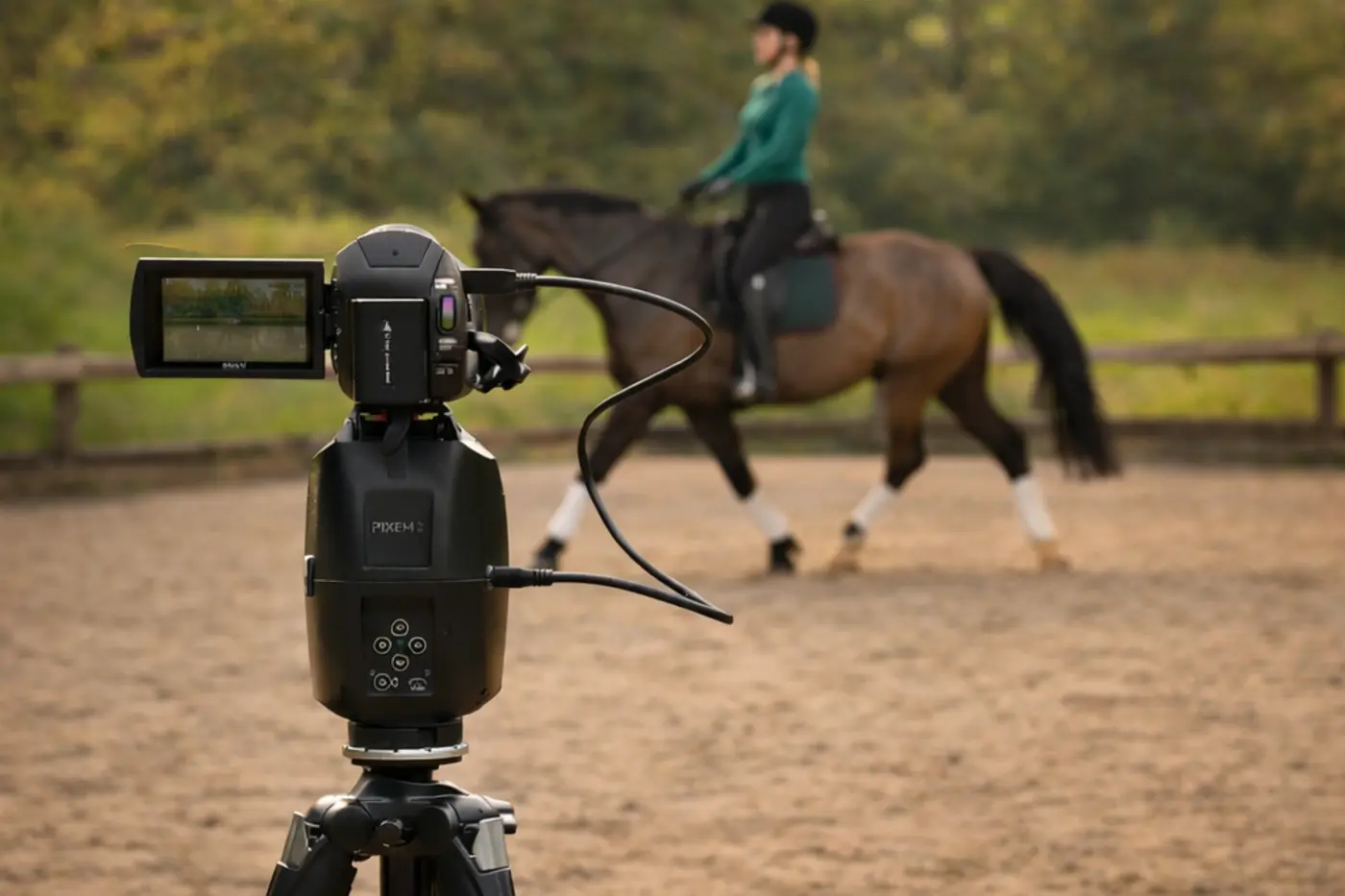
Learning classical dressage as an adult amateur rider comes with unique rewards and challenges. You're balancing work, family, and personal commitments, which means your time in the saddle needs to be…
Rehabilitation & Recovery
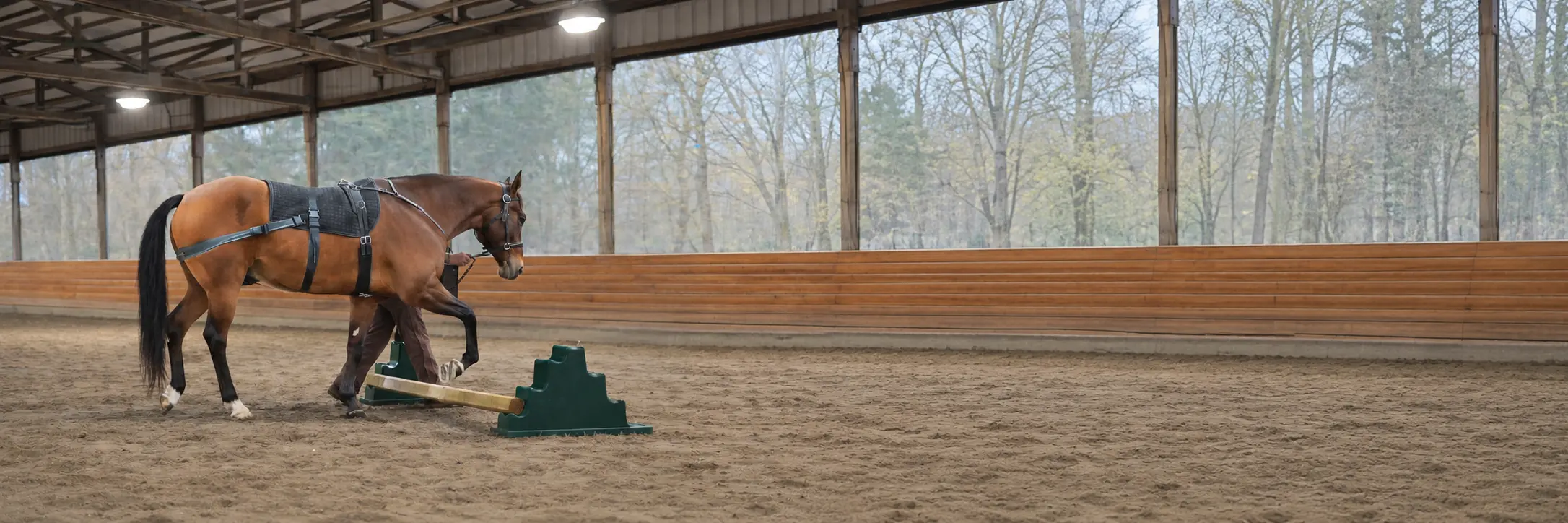
When a performance horse steps out of active competition or training due to injury, illness, or strain, the road back to full work can feel daunting. Reaching the end of stall rest or hand-walking is a…
Biomechanics
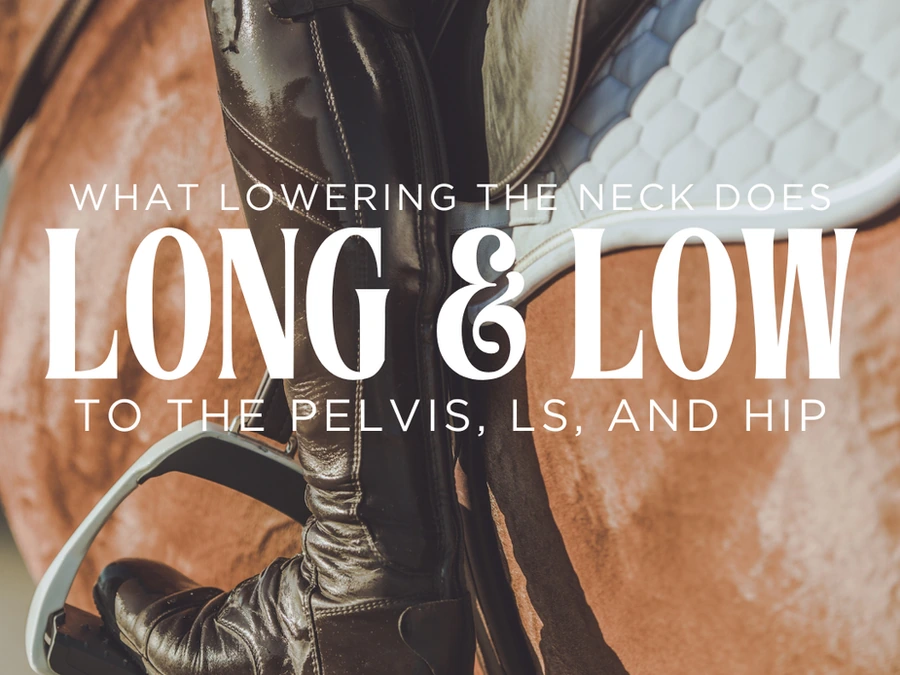
Ever wondered what’s physically happening to your horse’s skeleton in a 'long and low' frame? Dr. Beth Byles of Kinetic Equine Medicine breaks down the anatomy of the LS joint—the mechanical hinge of the horse—and why this specific junction is the key to unlocking true engagement and back health.
Biomechanics
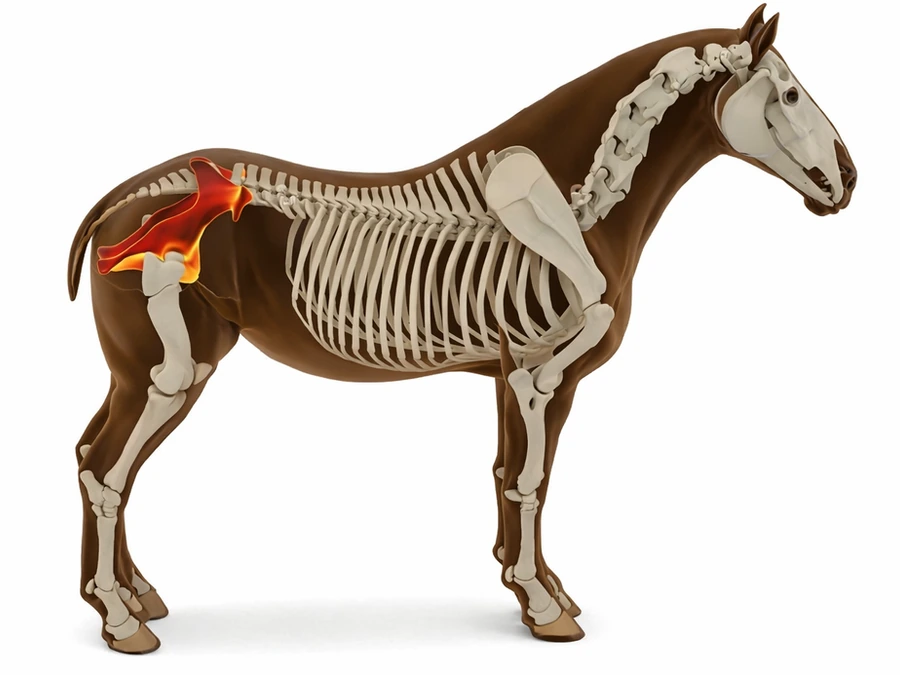
The pelvis is the engine of the horse. When it’s not functioning, performance suffers. Learn how to identify the "invisible blockage" and transform your training through anatomy,
Training & Development
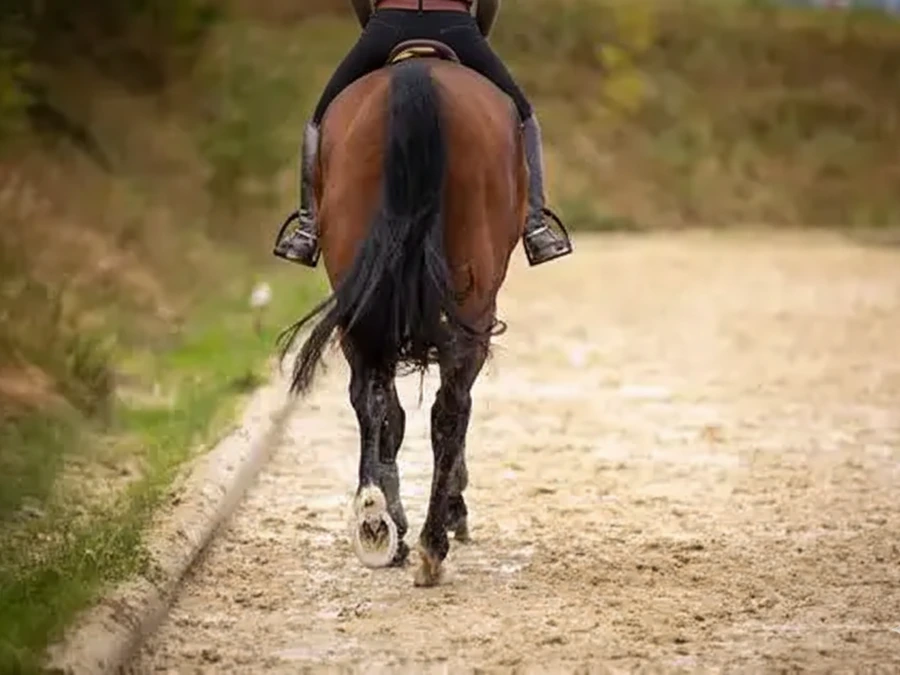
Training built for long-term soundness prioritizes how a horse uses their body over time, not just what they can produce in the moment. By focusing on balance, coordination, and progressive development, this approach supports movement that remains comfortable, consistent, and sustainable throughout a horse’s training career.
Biomechanics
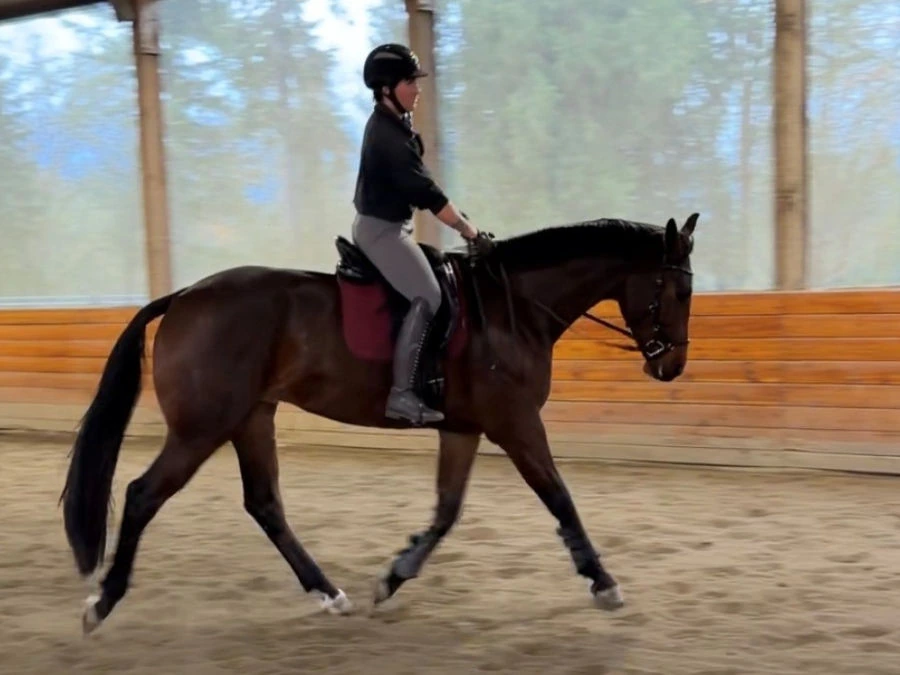
Straightness is not about making a horse perfectly even—it is about helping the horse organize their body to move with balance, clarity, and efficiency. When training prioritizes straightness over visual symmetry, it supports movement that is more sustainable, functional, and protective of long-term soundness.
Rehabilitation & Recovery
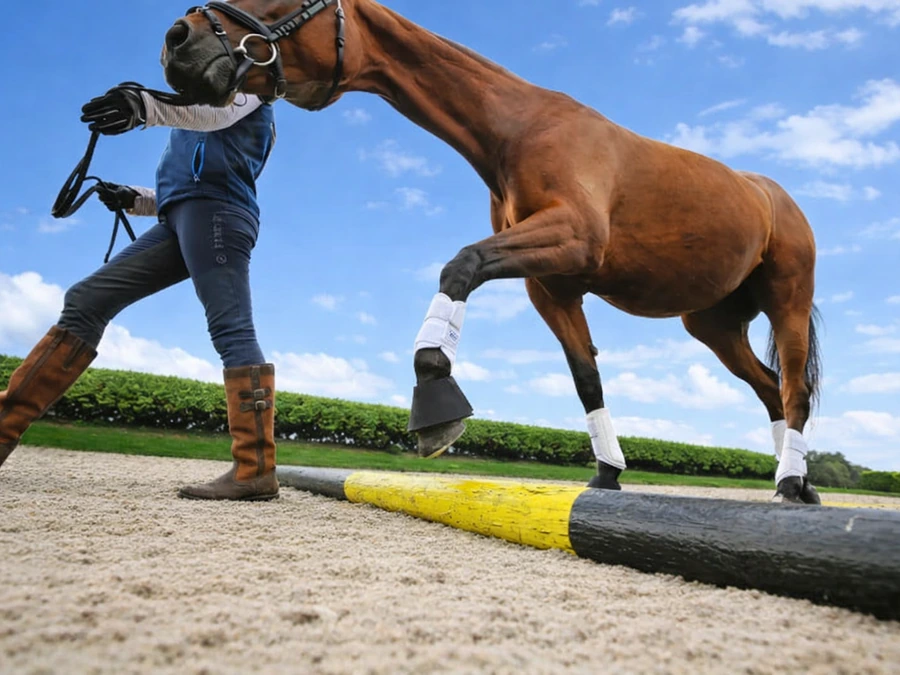
The transition from rehabilitation back into training is a critical phase in a horse’s development. When movement is rebuilt with attention to balance, coordination, and progressive loading, rehabilitation becomes the foundation for long-term soundness rather than a temporary pause in training.
Biomechanics
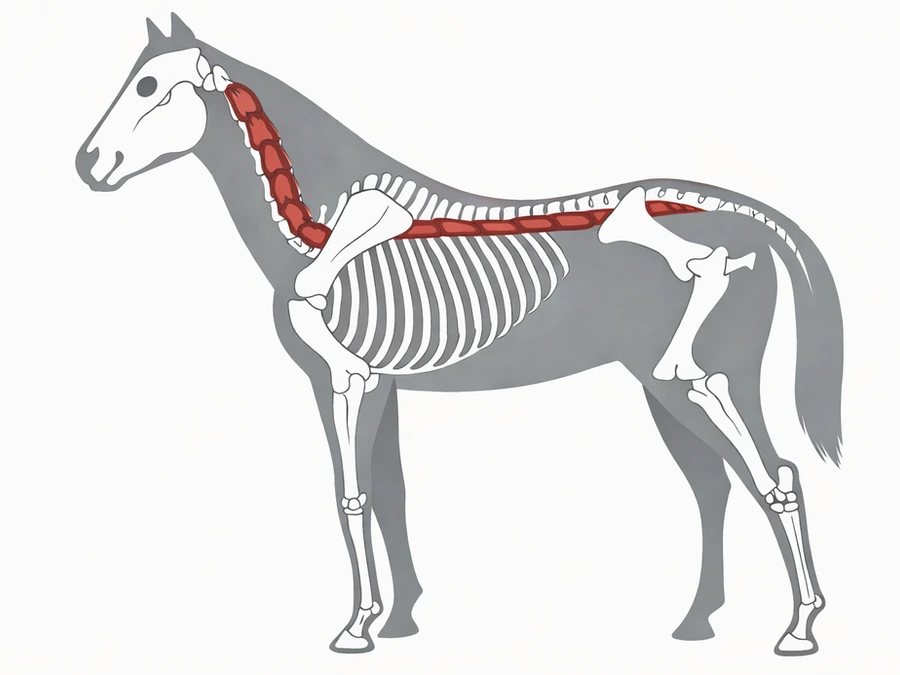
Muscle tightness in the ridden horse is rarely the primary issue. More often, it reflects how the body compensates when stability, coordination, or strength is lacking. Understanding tightness as a response—rather than a problem to erase—changes how we approach training, movement, and long-term soundness.
Training & Development
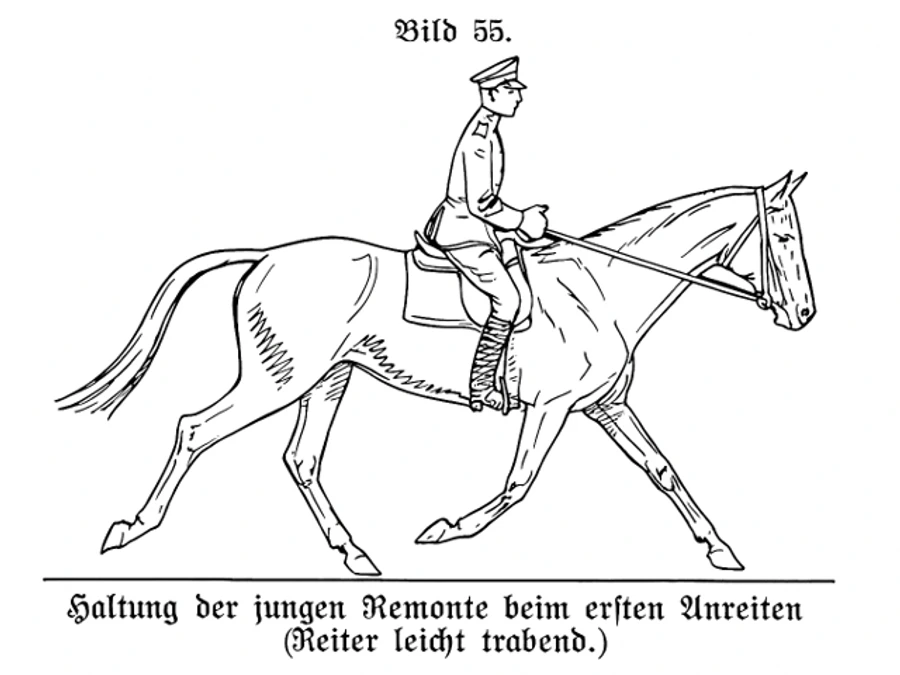
Good training should make a horse stronger, sounder, and happier—not just more obedient. At Seven Hills Training, I combine classical principles, the H.Dv. 12 system, and modern biomechanics to develop horses that move freely, stay comfortable, and build strength and confidence through correct, thoughtful work.
Rehabilitation & Recovery
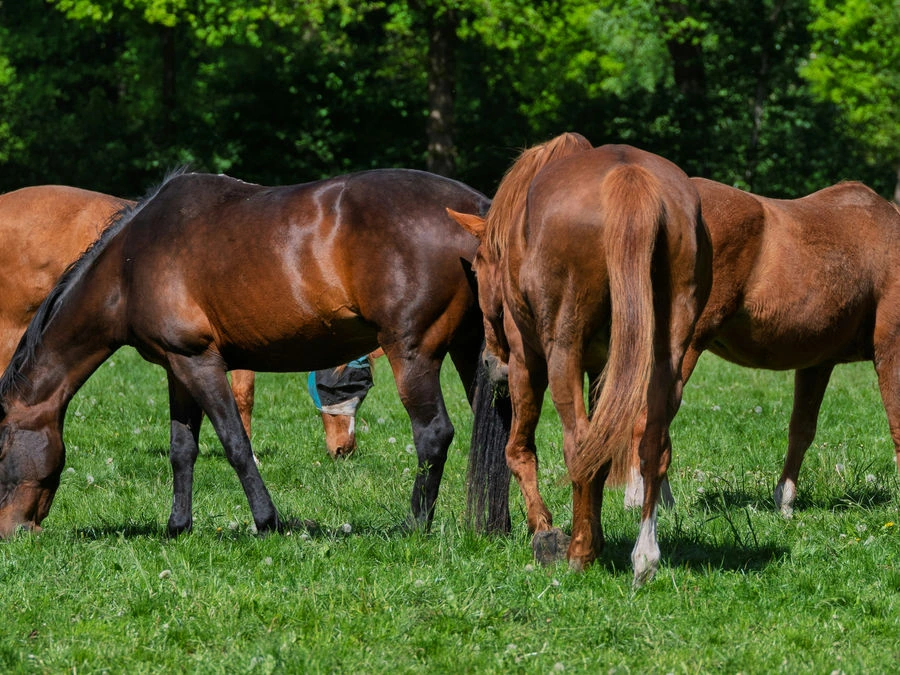
Reducing stress is not a soft concept—it’s a physical necessity. How a horse lives, rests, and interacts with its environment directly influences muscle tone, coordination, and the body’s ability to recover. Supporting the nervous system through thoughtful management is often what allows rehabilitation and training work to truly take hold.
Biomechanics
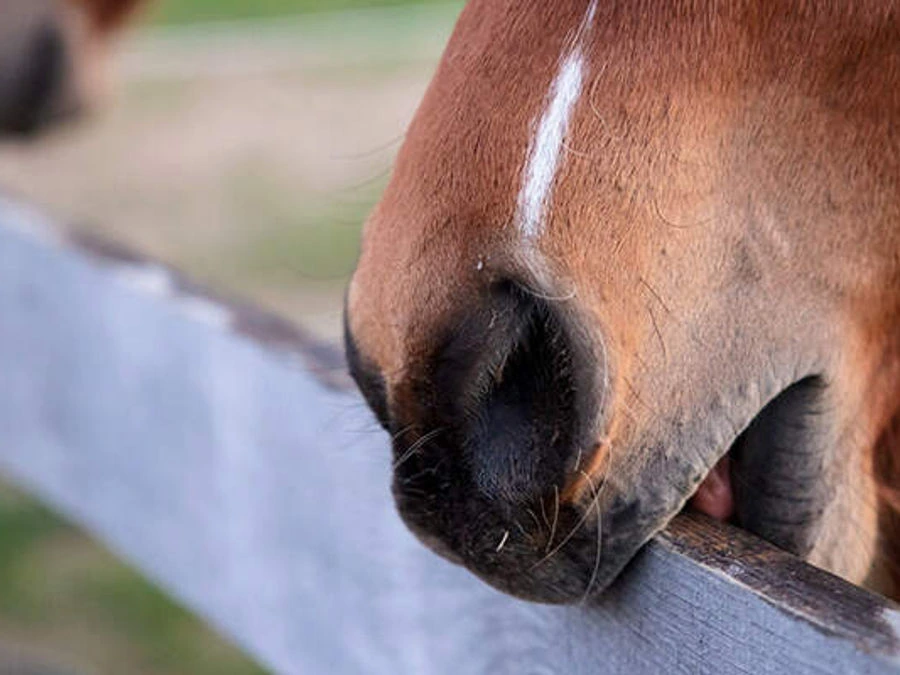
Stress affects far more than a horse’s mindset. Chronic stress changes posture, increases baseline muscle tension, and alters how the body organizes movement. Understanding stress as a physical influence—rather than a purely behavioral one—helps explain why some horses struggle to release tension, develop coordination, or progress in rehabilitation despite correct training.
News & Updates
Seven Hills Training is expanding! Our new Monroe, WA facility opens November 1, offering 22 stalls, indoor and outdoor arenas, and a dedicated rehabilitation barn. We’re growing our dressage training and equine rehab programs to better serve riders and horses across Western Washington.

News & Updates
I’m grateful to be a 2024 grant recipient from The Dressage Foundation in support of my participation in the USDF Instructor/Trainer Development Program. Continued education is central to my work at Seven Hills Training, and this support makes it possible to keep learning, refining my skills, and serving horses and riders thoughtfully.
Biomechanics
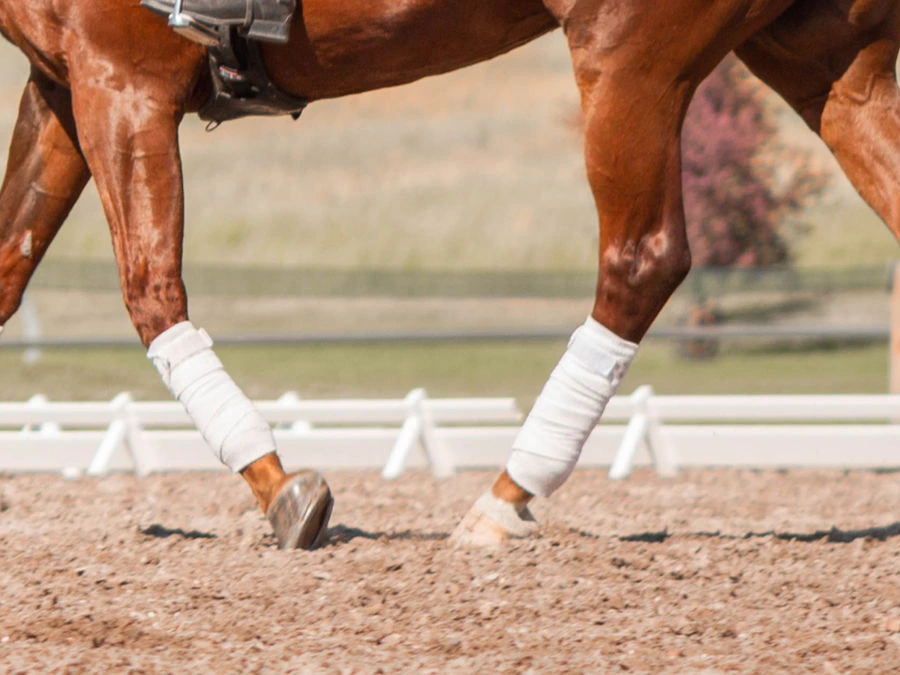
In this final installment of our biomechanics series, we explore the walk’s vital role in equestrian performance. From dressage to endurance, understanding the walk’s rhythm, structure, and variations helps trainers and riders unlock balance, soundness, and performance potential in every horse.
Biomechanics
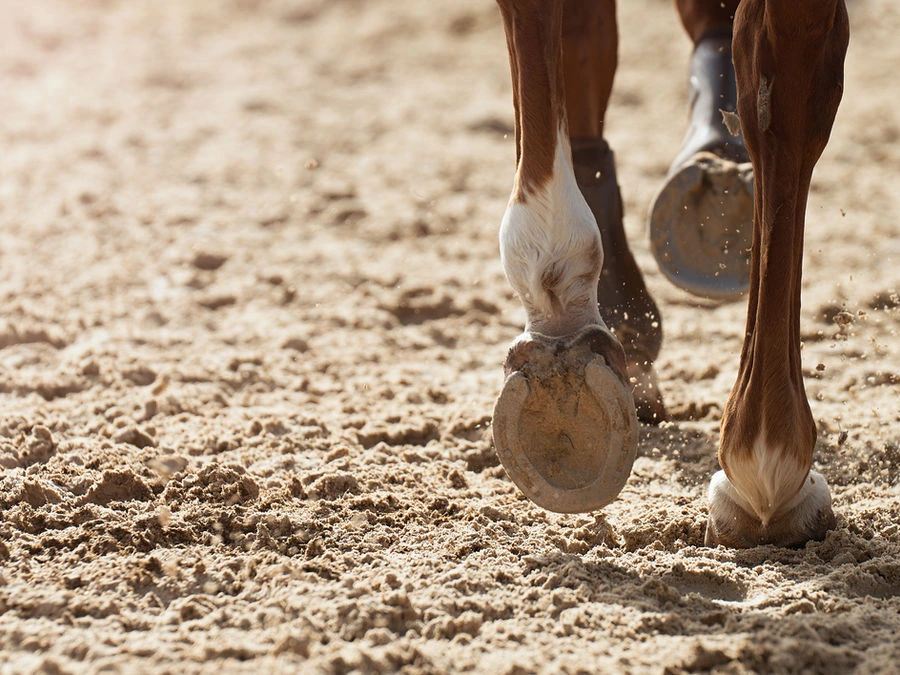
In this second installment of our biomechanics series, we explore the intricate coordination of muscles, joints, and rhythm that make the horse’s walk both complex and revealing. Understanding the finer mechanics of this gait helps riders and trainers improve balance, performance, and long-term soundness.
Biomechanics
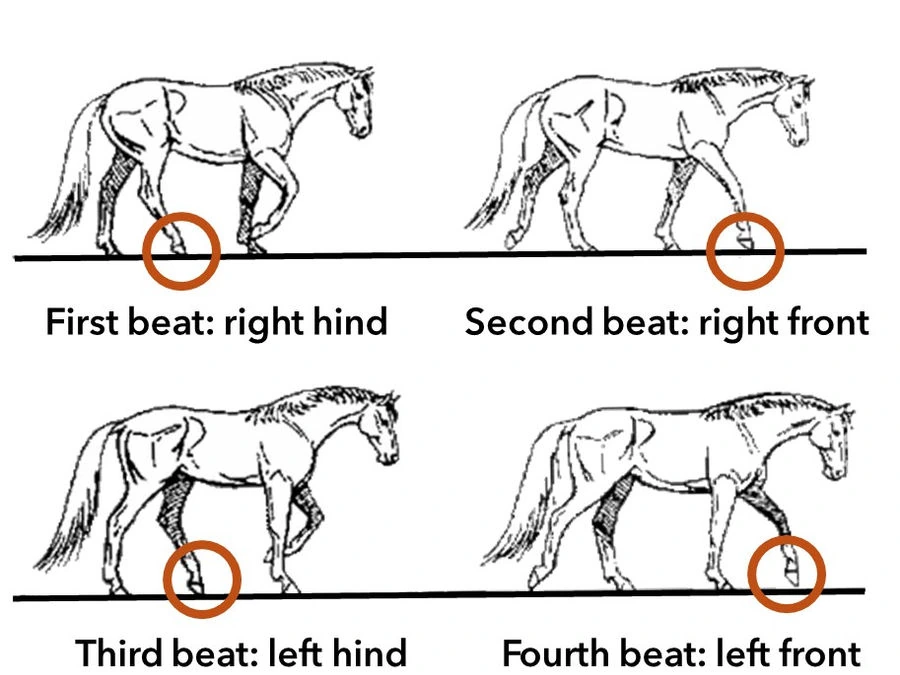
The horse’s walk may seem simple, but it’s a biomechanical masterpiece. This foundational gait reveals how balance, rhythm, and muscular coordination support performance, soundness, and rehabilitation. Understanding the walk is the first step toward unlocking a horse’s movement potential.
Biomechanics
Equine biomechanics explores how the horse’s muscles, skeleton, and balance interact to create efficient, injury-free movement. By applying biomechanical principles to training, riders can improve performance, build strength and suppleness, and support the horse’s long-term soundness and comfort.
Training & Development
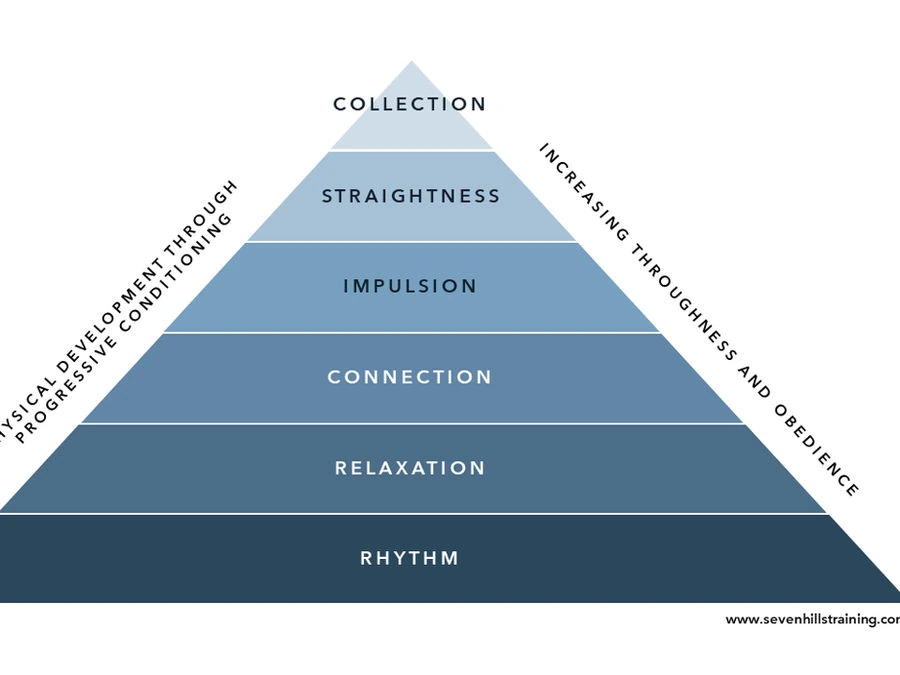
The synergy between classical dressage and modern horsemanship creates a powerful framework for training that honors both tradition and innovation. By blending centuries-old principles with behavioral science, trainers can deepen communication, improve performance, and support horse welfare through balance, empathy, and partnership.
Rehabilitation & Recovery
Inspired by a post from Lee McLean at Keystone Equine, I share lessons from years of working with horses needing a second chance—how to balance empathy with structure, avoid defensive riding, and care for ourselves while helping horses heal and rebuild trust.

Rider Fitness & Safety
Research continues to show what many riders already feel — fitness directly impacts harmony in the saddle. Strong core muscles, body awareness, and neuromuscular coordination allow riders to move fluidly with their horses, improving balance, communication, and overall performance both in and out of the arena.
Training & Development
Modern horsemanship is evolving. By applying learning theory, riders can reduce tension, improve communication, and promote welfare in every training session.